
The Discovery of the Body
Murder on the Orient ExpressThe discovery of Ratchett's body sets the investigation in motion, with the locked room and the multiple stab wounds immediately puzzling the investigators.
increasing Bearing strength in each event
 decreasing
Bearing strength in each eventdecreasingThe Morning Discovery
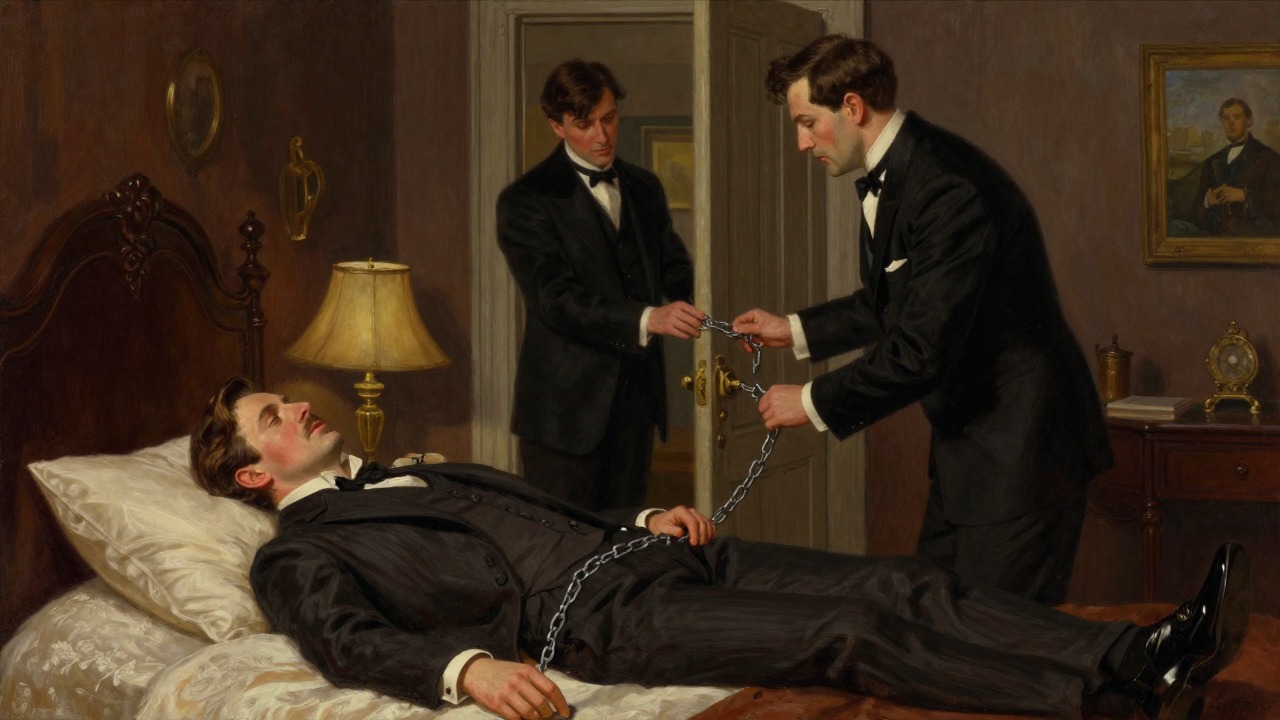
The Morning Discovery
The Valet's Concern
Edward Masterman becomes worried when Ratchett does not ring for him. He asks the conductor to open the door. The door is locked and chained from inside. The conductor breaks the chain.
The Scene of the Crime
They find Ratchett's body on the bed, stabbed multiple times. The window is open, and snow is blowing in. The room is cold. The conductor immediately reports to M. Bouc.
The Initial Confusion
At first, it appears to be a suicide, but the multiple wounds and the lack of a weapon point to murder. The locked door suggests a mystery. The investigation begins.
The Examination of the Body
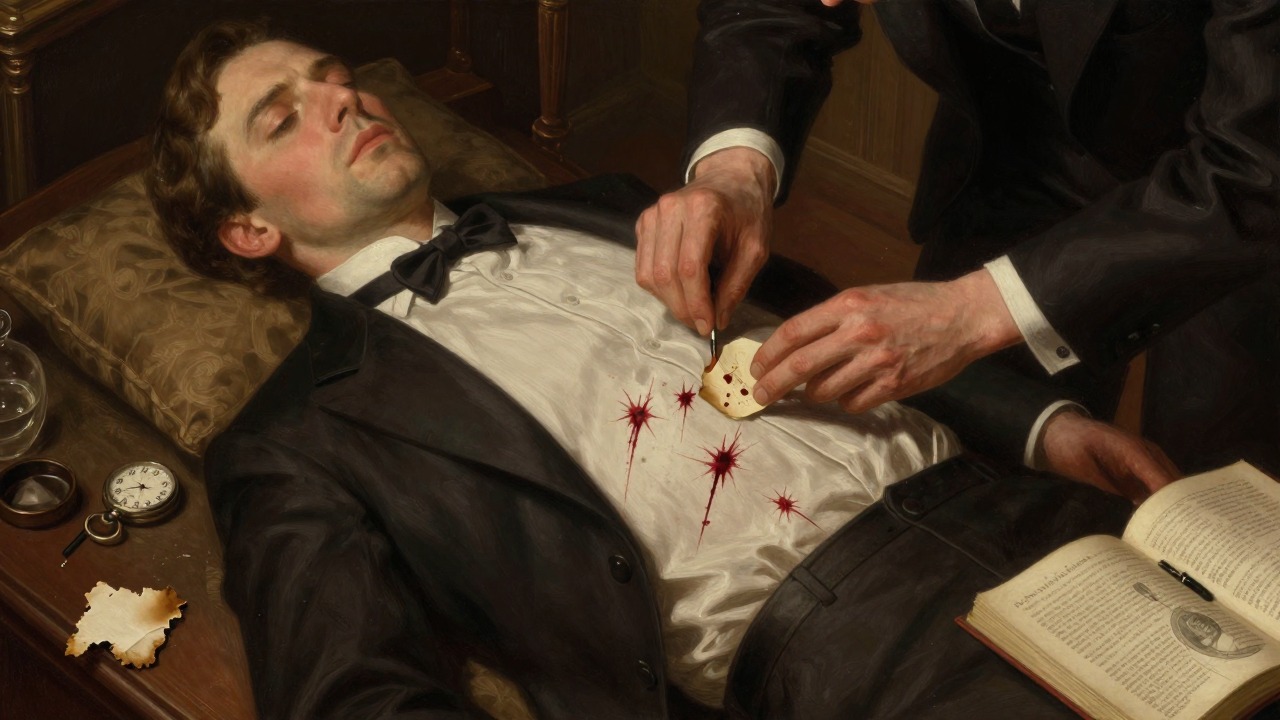
The Examination of the Body
The Medical Report
Dr. Constantine examines the body. He counts twelve stab wounds, some deep, some shallow. He notes that the victim was drugged. The watch is dented and stopped at 1:15.
The Clues
Poirot finds the charred note fragment, the pipe-cleaner, and the handkerchief. He also notes the open window but no footprints in the snow. The evidence is contradictory.
The Initial Theories
Poirot considers various possibilities. The locked room, the multiple wounds, and the drugged state suggest a complex crime. He begins to formulate his plan of investigation.
The Implications of the Crime
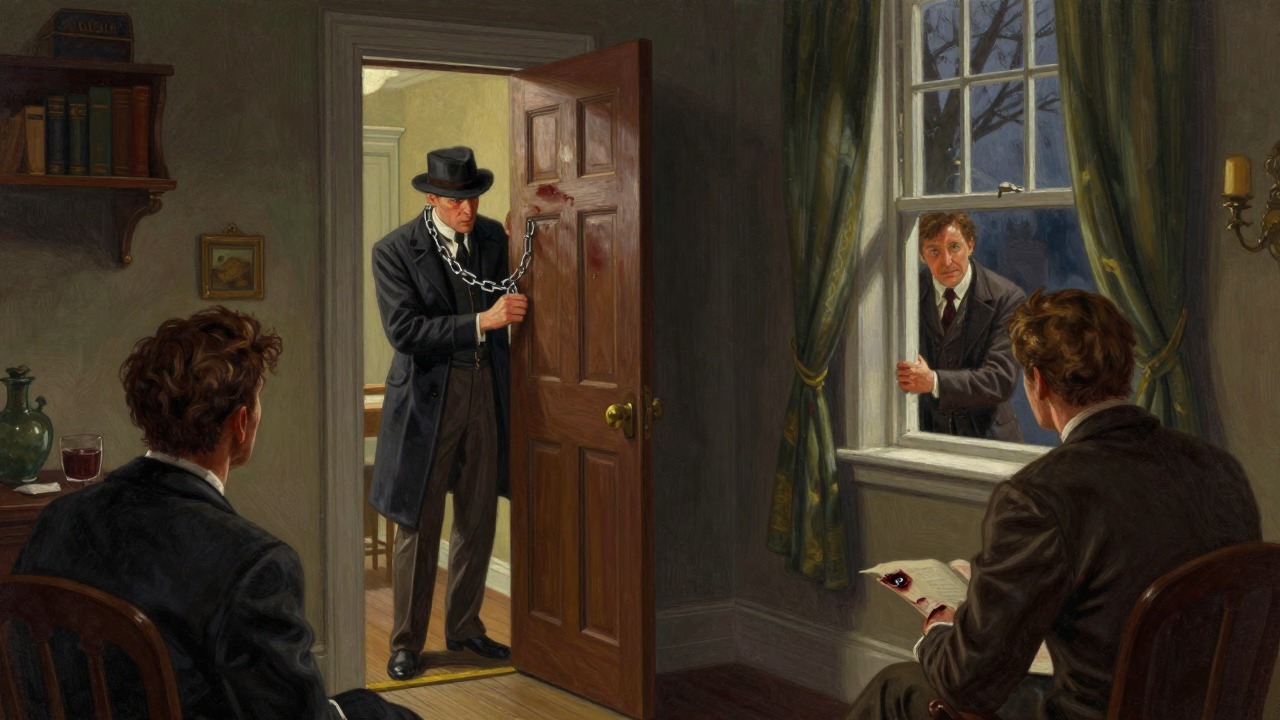
The Implications of the Crime
The Locked Room Mystery
The door was locked and chained from inside, and the window was open but showed no signs of escape. This suggests that the killer must have had a key or used an accomplice. The locked room is a classic puzzle.
The Multiple Stabbers
The wounds vary in depth and direction, suggesting multiple attackers. This is an unusual feature. Poirot is intrigued by the possibility of a group crime.
The Challenge to the Detective
Poirot realizes that this is no ordinary murder. The clues are too many and too convenient. He must think beyond the obvious. The body itself tells a story of a premeditated, collective act.
Around 11:00 AM, morning after the murder
Immediately after the discovery
After the initial examination
